Prayer Board Ideas for Kids: Creative Ways to Practice Gratitude
Teaching children about gratitude, kindness, and reflection can be a meaningful part of family life. One creative way to introduce these ideas is through a prayer board. This simple craft activity allows children to express their thoughts, remember people they care about, and reflect on the positive things in their lives.
You can personalize a prayer board for kids with colorful paper, drawings, stickers, meaningful words, and handwritten notes. Depending on family traditions and beliefs, children can use their boards to write prayer requests, express gratitude, remember loved ones, or reflect on hopes for the future.
Whether you are planning a family activity, a faith-based gathering, or a children's craft workshop, a prayer board offers a chance to combine creativity with meaningful conversation.
In this guide, we will explore practical prayer board ideas for kids, explain how to make one step by step, and share ways to turn this activity into an enjoyable experience for children of different ages.
What Is a Prayer Board for Kids?
A prayer board is a visual space where children can display written thoughts, prayer requests, reminders, drawings, and expressions of gratitude. It can be made using a poster board, corkboard, notebook, or even a decorated sheet of paper.
For children, the activity can be simple and flexible. Younger kids might draw pictures of family members, friends, pets, or things that make them happy. Older children may prefer writing short notes, organizing their thoughts into categories, or adding meaningful quotes.
A prayer board can reflect the family's religious beliefs and traditions. Some families use it to remember people they want to pray for, while others include gratitude lists and reminders to practice kindness.
The purpose is to create a welcoming space for reflection without making children feel pressured to share personal thoughts or follow a particular format.
Benefits of Creating a Prayer Board With Kids
Making a prayer board can offer several opportunities for children to learn and express themselves.
Encourages gratitude: Children can identify everyday things they appreciate, such as family time, supportive friends, favorite activities, or a kind gesture.
Supports emotional expression: Drawing or writing can help children communicate feelings and thoughts they may find difficult to explain verbally.
Encourages compassion: Adding notes about people who need encouragement can help children think about the experiences and needs of others.
Creates family connection: Parents and children can work together on the board, discuss meaningful topics, and build a shared activity into their routine.
Develops creativity: Decorating a board with colors, shapes, drawings, and personal messages allows children to express their individual style.
These benefits depend on how the activity is introduced. Keep conversations gentle, respect each child's comfort level, and allow children to participate in ways that feel natural to them.
1. Create a Gratitude Prayer Board
A gratitude prayer board is an easy starting point for children who are new to the activity. It gives them a place to recognize positive moments and express appreciation.
Begin with a poster board and decorate it with a title such as Things I Am Thankful For. Provide colorful paper, markers, stickers, and glue sticks.
Invite children to write or draw things they appreciate. Ideas might include:
- Family members who care for them
- Friends who make them laugh
- Teachers who help them learn
- A favorite book or activity
- Time spent playing outdoors
- A kind act someone did for them
Children can add a new note each day or whenever they think of something meaningful.
For younger children, ask simple questions such as, "What made you smile today?" or "Did someone help you this week?" They can respond with a drawing or a few words.
Avoid suggesting that children must feel grateful all the time. Gratitude is a practice of noticing positive things, not a reason to dismiss difficult emotions.
2. Make a Family and Friends Prayer Board
A family and friends prayer board gives children a visual reminder of the people who matter to them.
Divide the board into sections for family members, friends, teachers, neighbors, and other important people. Children can add names, drawings, or short messages to each section.
For example, they might include a relative who is traveling, a friend who feels lonely, or a teacher who has helped them. Families can use the board during a regular reflection or prayer time.
If children want to include photographs, make sure they have permission to use them and display them in a suitable place.
This activity can encourage thoughtful conversations about kindness, care, and supporting others. It also helps children understand that remembering someone can be a meaningful gesture, even when they cannot solve that person's problem themselves.
3. Design a Prayer Request Board
A prayer request board gives children a place to write or draw things they would like to pray about, according to their family's beliefs.
Start by creating a dedicated section labeled Prayer Requests. Provide small cards or paper slips so children can add individual notes.
Possible topics might include:
- A family member's upcoming event
- A friend who needs encouragement
- Peace and kindness in the community
- Help with a challenging school task
- Strength during a difficult time
- Hope for someone experiencing hardship
Explain that prayer requests can be personal and that children do not need to share every thought with the group. If the activity takes place in a classroom or workshop, provide a private option for children who do not want to discuss their requests publicly.
For a shared board, avoid displaying sensitive personal information without permission. Parents and facilitators should also handle children's concerns carefully and provide appropriate support when needed.
4. Create a Kindness and Good Deeds Board
A kindness board connects reflection with everyday actions. It helps children think about practical ways to care for others and contribute positively to their families and communities.
Decorate a board with a title such as Ways We Can Show Kindness. Add colorful cards featuring simple ideas that children can try.
Examples include:
- Help a family member with a small task.
- Share toys or craft supplies.
- Write a kind note to a friend.
- Thank someone who helped you.
- Include someone in a game.
- Help tidy a shared space.
- Listen when someone needs to talk.
Children can add their own ideas or place a small marker beside an activity they have tried.
If you connect this board with prayer, children can reflect on how their values influence their actions. Keep the focus on kindness rather than rewards or competition. Children should feel encouraged to help others because it is meaningful, not because they are trying to earn recognition.
5. Make a Colorful Prayer Board With Drawings
Not every child enjoys writing, especially at younger ages. A drawing-based prayer board allows children to participate using pictures, colors, and simple symbols.
Provide blank cards and invite children to draw something they want to remember or reflect on. They might draw their family, a peaceful place, a friend, or something that makes them feel hopeful.
You can organize the drawings into sections such as:
People we care about: Drawings of family members, friends, and other loved ones.
Things we appreciate: Pictures of favorite activities, nature, pets, or special memories.
Hopes for the future: Drawings representing things children want to learn, experience, or work toward.
Kindness in action: Pictures of children helping, sharing, or comforting someone.
Let children explain their drawings if they want to, but do not require them to describe every picture. Their artwork can be meaningful even when they choose to keep its meaning private.
6. Add a Prayer Board for Special Occasions
A prayer board can be adapted for birthdays, holidays, family gatherings, and other meaningful occasions.
For a birthday, children might add notes about what they appreciate from the past year and hopes for the year ahead.
During a family gathering, relatives can contribute messages of encouragement or write down things they are thankful for.
For a community or faith-based event, participants can create a shared board focused on peace, compassion, gratitude, or helping others.
Choose decorations that match the occasion, such as stars, flowers, hearts, or seasonal colors. Keep the design simple enough that children can contribute without spending too much time on decoration.
For group activities, explain the purpose of the board in age-appropriate language and make participation voluntary.
7. How to Make a Prayer Board for Kids Step by Step
Creating a prayer board does not require expensive materials. Follow these steps to make a personalized board at home or during a children's craft workshop.
Step 1: Gather Your Supplies
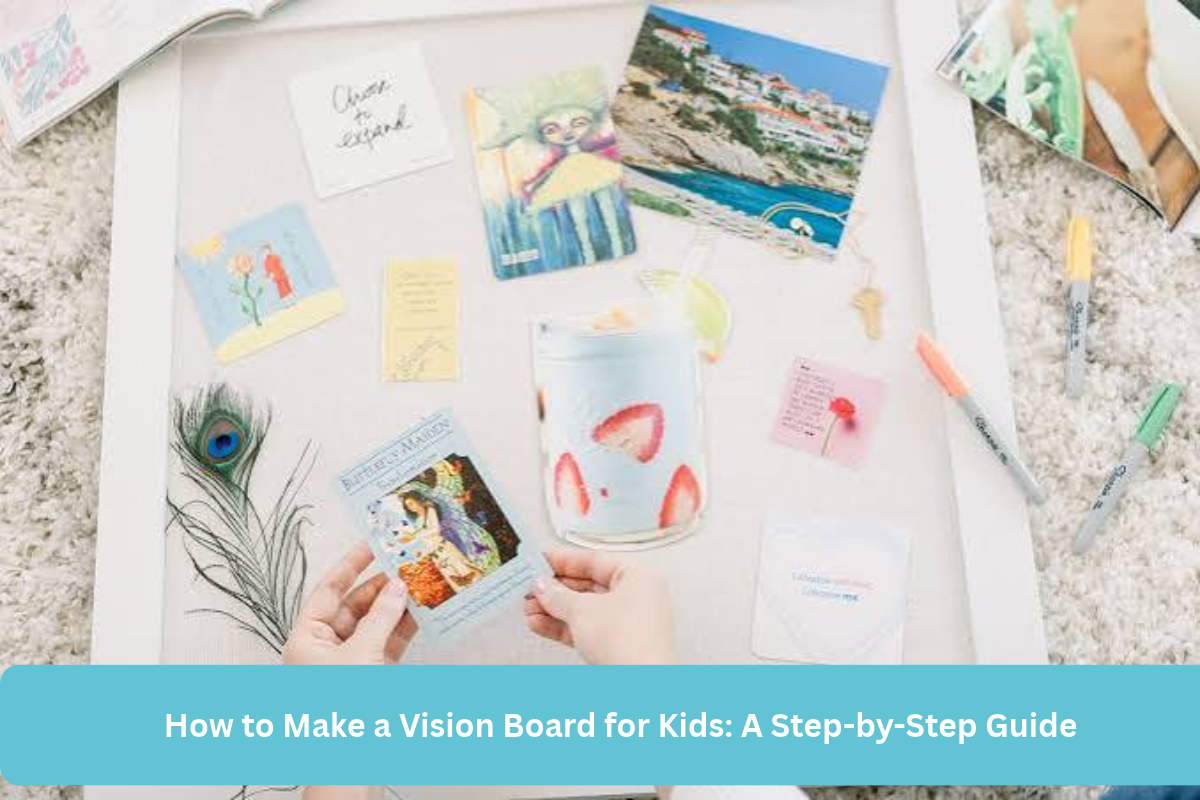
You will need a poster board, cardstock, markers, colored pencils, stickers, glue sticks, and child-safe scissors. Optional materials include decorative tape, envelopes, paper pockets, and string.
Step 2: Choose a Purpose
Decide whether the board will focus on gratitude, prayer requests, family and friends, kindness, or a combination of themes. A clear purpose helps children understand how to use it.
Step 3: Divide the Board Into Sections
Use lines, colored paper, or decorative borders to create different areas. Younger children may prefer one large space, while older kids might enjoy organizing several categories.
Step 4: Decorate the Background
Let children choose colors, draw pictures, and add stickers. Encourage them to make the board personal rather than copying a sample exactly.
Step 5: Add Notes and Drawings
Invite children to contribute names, short messages, pictures, or gratitude cards. Provide examples if they need inspiration, but let them choose what they want to include.
Step 6: Choose a Suitable Place
Display the board in a family activity area, bedroom, or another appropriate location. If it contains private requests, keep it somewhere that respects the child's privacy.
Step 7: Make It Part of a Routine
Set aside a few minutes each week to add new notes, revisit meaningful messages, or reflect together. The routine should feel supportive, not like an obligation.
8. Turn Prayer Board Making Into a Children's Craft Workshop
Prayer board making can also be a creative group activity for birthdays, family gatherings, community events, or children's workshops. It gives kids an opportunity to decorate their own boards while exploring gratitude and reflection.
Prepare individual craft stations with poster boards, markers, paper shapes, stickers, and other age-appropriate supplies. Introduce a few possible themes, such as gratitude, kindness, or prayer requests, and allow each child to select the one that feels most meaningful.
Children can take their finished boards home as personal keepsakes. For group sessions, provide a quiet option for children who prefer not to share their thoughts publicly.
Party Jam Plus offers prayer board activities alongside vision boards, children's craft workshops, and Honeybee Bracelets. These creative services can help families explore hands-on activities for celebrations and group gatherings.
Final Thoughts
Prayer board ideas for kids offer a creative way to bring gratitude, reflection, kindness, and personal expression into everyday life. From gratitude notes and family prayer requests to colorful drawings and kindness reminders, children can design boards that reflect what matters to them.
The most important part is creating a comfortable environment where children feel free to express themselves without pressure. Keep the materials simple, offer gentle guidance, and let each child decide what to include.
Whether you make a prayer board at home or introduce the activity during a children's craft workshop, it can become a meaningful opportunity to spend time together and encourage thoughtful conversations.
FAQ'S
What should kids put on a prayer board?
Children can include prayer requests, gratitude notes, drawings, names of people they care about, and reminders about kindness. The contents should reflect the child's age, interests, and family traditions.
What is the difference between a prayer board and a gratitude board?
A prayer board may include prayer requests, reflections, and people a child wants to remember in prayer. A gratitude board focuses specifically on things the child appreciates. Families can combine both ideas on one board.
At what age can children make prayer boards?
Children of different ages can participate. Younger kids may use drawings and stickers, while older children may prefer writing notes and organizing different sections. Adult assistance can help make the activity age-appropriate.
How often should a prayer board be updated?
There is no fixed schedule. Children and families can add new notes whenever they wish or set aside a few minutes each week to reflect together.
Can prayer board making be a group activity?
Yes. It can be part of a family gathering, children's craft workshop, or faith-based event. Provide enough supplies for everyone and allow participants to decide whether they want to share their finished boards.